
Guerrilla Marketing in the AI Era
Use AI to sharpen a small, memorable campaign while keeping human judgment at the center.
Start with a useful surprise
A guerrilla campaign earns attention by making an ordinary moment unexpectedly useful, funny, beautiful, or participatory. Its strength is not simply that it costs less than advertising. It gives people a reason to notice and a reason to act. AI can help explore that moment, but the business still needs to understand who is there, what they care about, and what would feel welcome in that setting.
Start with one sentence: “We help this specific person do this specific thing, and our campaign lets them experience a small piece of that benefit.” If that sentence is vague, generating fifty slogans will produce fifty variations of the same uncertainty. Write the benefit before choosing the stunt.
Build a brief from real questions
Collect questions from conversations, support messages you are authorized to use, and your own sales notes. Remove personal information before using an external tool. Group questions by the decision people are trying to make. A tennis coach might discover that beginners are less worried about their forehand than about arriving without a partner or looking inexperienced.
Ask an AI tool to organize those questions, identify missing information, and propose three campaign concepts for a defined budget. Give it constraints: permission required, no invented testimonials, no claims you cannot demonstrate, and one clear next step. Treat its response as a draft. Check every assumption against what you actually know about the audience.
Make the experience tangible
Illustrative example: a neighborhood tennis program creates a “First Rally” station at a permitted community event. Visitors try a short cooperative rally using soft equipment in an approved space. A simple sign says that no partner or experience is needed. The next step is a beginner session with the same welcoming promise. AI helps draft the sign and follow-up message, while the coach designs and supervises the experience.
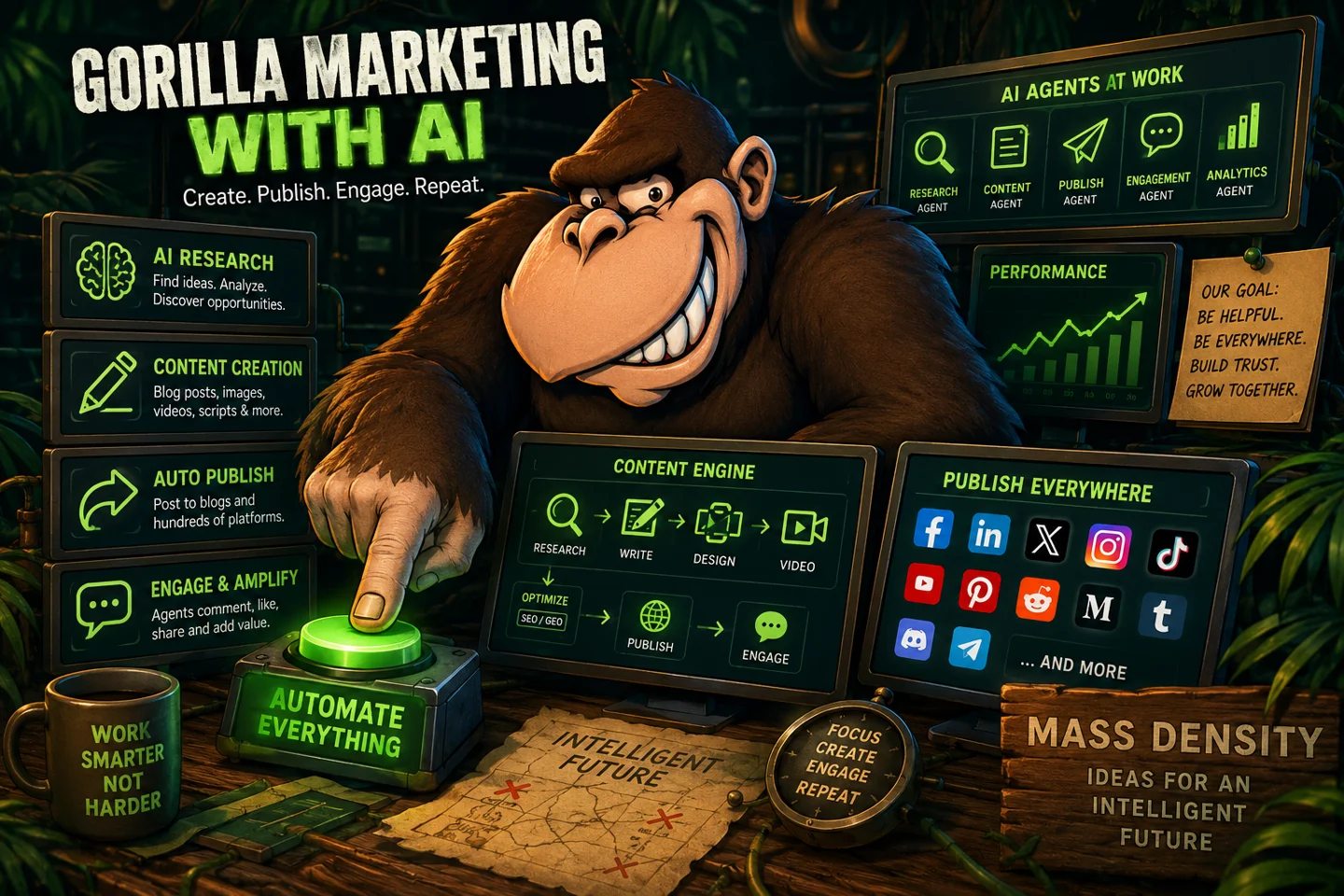
The valuable surprise is the visitor realizing, “I can do this.” A large gorilla costume might attract more photographs, but it would not automatically communicate the program's benefit. Choose creative details that make the offer easier to understand.
Put humans at the review points
Use AI for alternatives, outlines, editing, and organization. Assign a person to approve facts, visual rights, accessibility, tone, and the offer before publication. Someone should also own replies after launch. Automation that creates more conversations than the team can answer can damage the campaign it was supposed to support.
Prepare a short approval checklist: Is the promise accurate? Is the action obvious? Are the location and recording permissions covered? Can a visitor participate without being pressured? Does the landing page work on a phone? Rehearse the entire journey, including the moment when someone says no. Respectful exits are part of good experience design.
Run a small experiment, then improve
Test one location, one audience, and one offer before expanding. Set a spending ceiling and count the meaningful steps: people who participate, people who request details, people who book, and people who actually attend. Keep raw counts alongside conversion rates so that a tiny sample does not look more conclusive than it is.
Afterward, ask what visitors misunderstood and where the process slowed down. Give AI a de-identified summary and ask for possible explanations, not a declaration of the winning strategy. Select one improvement for the next run. The goal is a repeatable experience with a useful lesson, not a dramatic campaign that only works once.